
Parking Lot Crack Repair in Waveland MS When Is Repair Enough?
Parking lot crack repair in Waveland MS is an important part of maintaining safe, attractive, and functional commercial properties. Small cracks may seem like minor cosmetic issues, but exposure to heavy rainfall, standing water, and daily vehicle traffic can turn them into more serious pavement problems. Knowing when simple crack sealing is sufficient—and when asphalt patching or resurfacing is necessary—can help business owners and property managers protect their investment while avoiding unnecessary expenses.
Established 1997
Licensed & Insured
Residential & Commercial
MS State Lic #27396-SC
Why Parking Lot Cracks Develop Along the Mississippi Gulf Coast
Asphalt pavement experiences constant stress from vehicle traffic, temperature changes, moisture, and the natural aging of its materials. Over time, these conditions can cause the pavement to lose flexibility and develop cracks.
In coastal communities like Waveland, Mississippi, frequent rainfall and drainage challenges can make pavement maintenance particularly important.
Water entering cracks can weaken the underlying pavement layers, especially when drainage is poor. As vehicles continue driving over weakened areas, small cracks may widen, pavement can begin to settle, and potholes may eventually develop.
Common causes of commercial parking lot cracking include:
-
Aging asphalt: Asphalt gradually loses flexibility and becomes more susceptible to cracking.
-
Heavy vehicle traffic: Delivery trucks and other commercial vehicles place repeated stress on pavement.
-
Poor drainage: Standing water can contribute to deterioration and weaken supporting materials.
-
Inadequate pavement support: Unstable base materials or insufficient pavement thickness can lead to structural failure.
-
Previous repairs: Improperly repaired areas may crack again if the underlying problem remains unresolved.
Identifying the cause of cracking is essential before choosing a repair method.
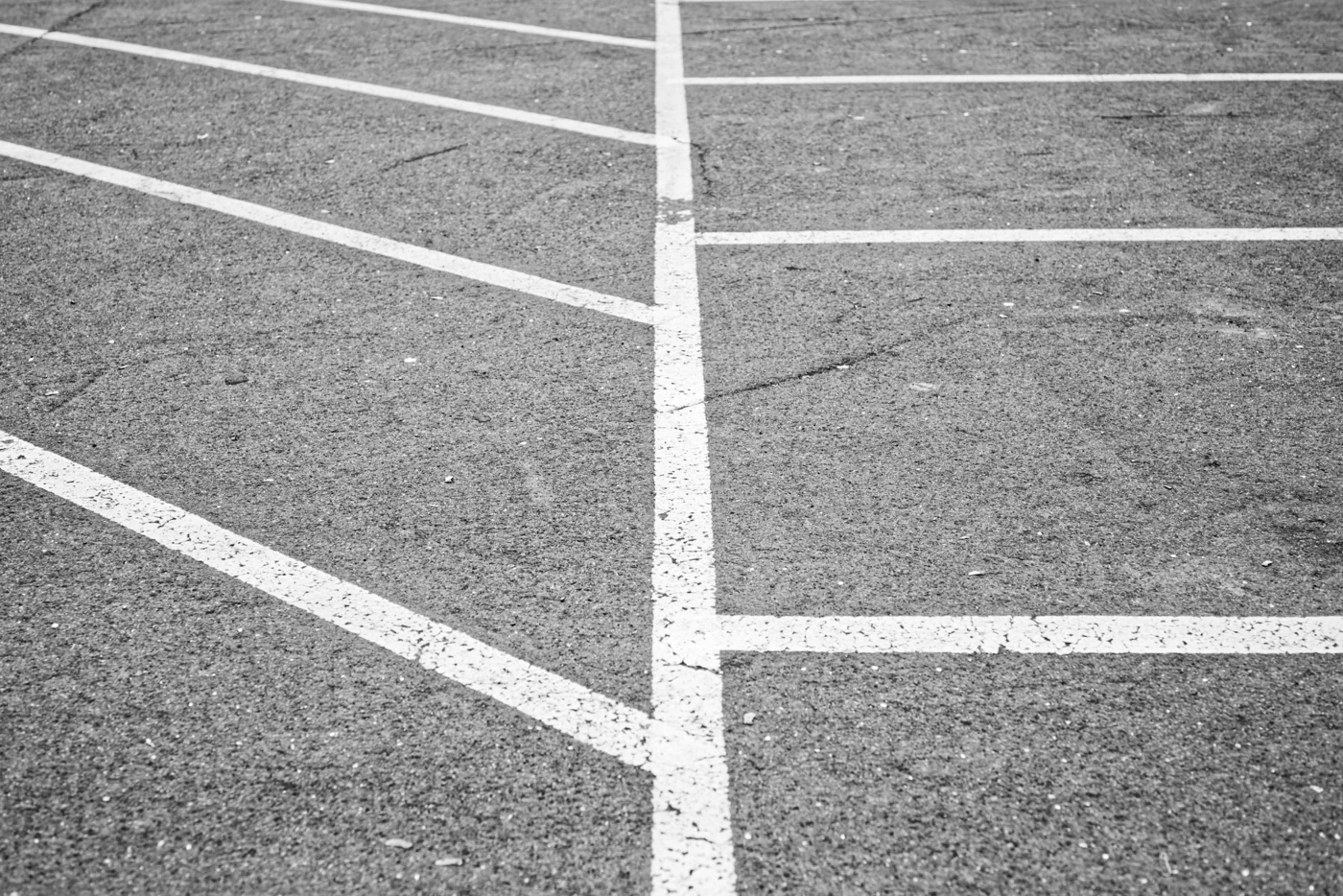
Small cracks can often be sealed before water infiltration causes more extensive damage.
When Is Parking Lot Crack Repair in Waveland MS Enough?
Not every crack requires extensive pavement reconstruction. In many situations, professional crack sealing can provide an effective and economical solution.
Crack sealing is generally appropriate when the pavement remains structurally sound and the cracks are relatively isolated.
Signs That Crack Sealing May Be Sufficient
Crack sealing may be suitable when:
-
Cracks are narrow or moderately sized and limited to specific areas.
-
The surrounding pavement remains firm and stable.
-
There is no significant sinking or movement around the cracks.
-
The asphalt is not breaking apart or crumbling.
-
Drainage problems are absent or can be corrected separately.
Professional crack sealing involves preparing the crack and applying a suitable flexible sealing material to reduce water infiltration.
This treatment can help slow further deterioration and extend the useful life of otherwise sound pavement.
However, crack sealing does not restore the structural strength of pavement that has already failed.
Why Early Crack Repair Matters
Small cracks are generally easier and less expensive to address than extensive pavement damage.
By sealing appropriate cracks before they expand, commercial property owners can reduce moisture infiltration and help preserve their existing asphalt.
Routine inspections are particularly useful after periods of heavy rainfall or significant changes in pavement conditions.
Watch Chris Paving MS explain how to recognize pavement cracks
that may need simple sealing versus more extensive asphalt repairs.
When Cracks Indicate More Serious Asphalt Damage
Some cracking patterns suggest that the pavement has problems extending beyond its surface.
Recognizing these warning signs can help property managers avoid spending money on repairs that may not last.
Alligator Cracking
Alligator cracking consists of interconnected cracks that resemble the scales of an alligator.
This pattern often develops when asphalt experiences repeated traffic loads and the pavement structure can no longer adequately support those loads.
Simply filling these cracks generally will not correct the underlying problem.
Depending on the extent of deterioration, the affected pavement may require removal and replacement, along with repairs to weakened supporting materials.
Potholes and Crumbling Pavement
Potholes develop when pavement deteriorates and pieces of asphalt break away.
They can create hazards for vehicles and pedestrians while allowing additional moisture to reach the underlying pavement.
Areas with potholes, loose asphalt, or crumbling edges often require more substantial repairs than crack sealing alone.
Widespread Cracking and Settlement
When cracking appears across large sections of a parking lot, or when pavement begins to sink and develop uneven surfaces, the damage may indicate broader structural or drainage problems.
A professional pavement evaluation can help determine whether targeted repairs remain practical or whether more extensive rehabilitation is warranted.
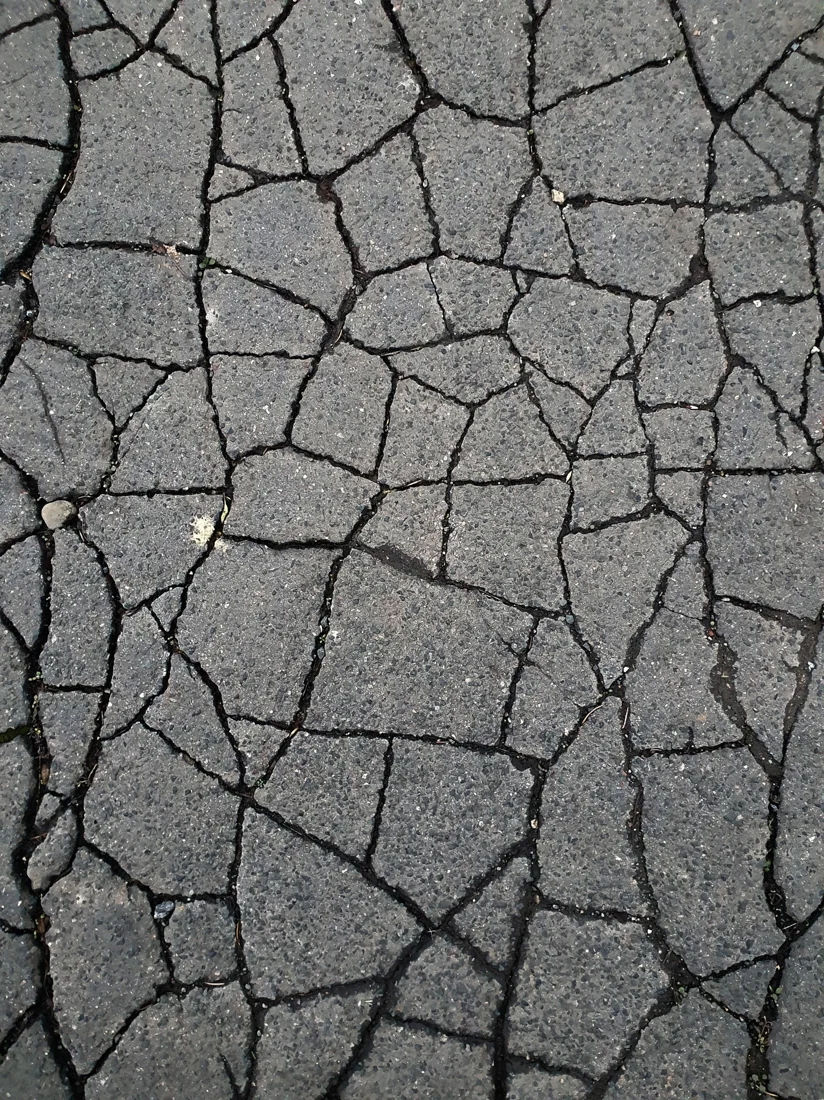
Alligator cracking may indicate underlying pavement problems that require more than surface sealing.
Asphalt Patching Versus Parking Lot Resurfacing
When crack sealing is no longer sufficient, property owners may have several repair options.
The best approach depends on the condition of the pavement, the extent of damage, and whether the underlying base remains stable.
Asphalt Patching
Asphalt patching addresses localized areas of damaged pavement.
Depending on the condition of the affected area, contractors may remove deteriorated asphalt, repair unstable supporting materials, and install new asphalt.
Patching can be appropriate for isolated potholes, localized pavement failures, and sections where damage has progressed beyond surface cracking.
For commercial properties with otherwise sound parking lots, targeted patching may provide a cost-effective alternative to larger rehabilitation projects.
Professional asphalt repair services can address localized pavement damage before it spreads into surrounding areas.
Parking Lot Resurfacing
Resurfacing typically involves installing a new asphalt layer over an existing pavement structure that remains suitable for an overlay.
This approach can improve the parking lot’s appearance, restore a smoother driving surface, and extend its service life.
However, resurfacing is not appropriate for every damaged parking lot.
Significant structural failures, drainage problems, or unstable base materials must be addressed before installing new asphalt. Otherwise, underlying problems may reappear through the new surface.
When extensive deterioration makes resurfacing impractical, professional asphalt paving services may provide a longer-term solution through pavement reconstruction.
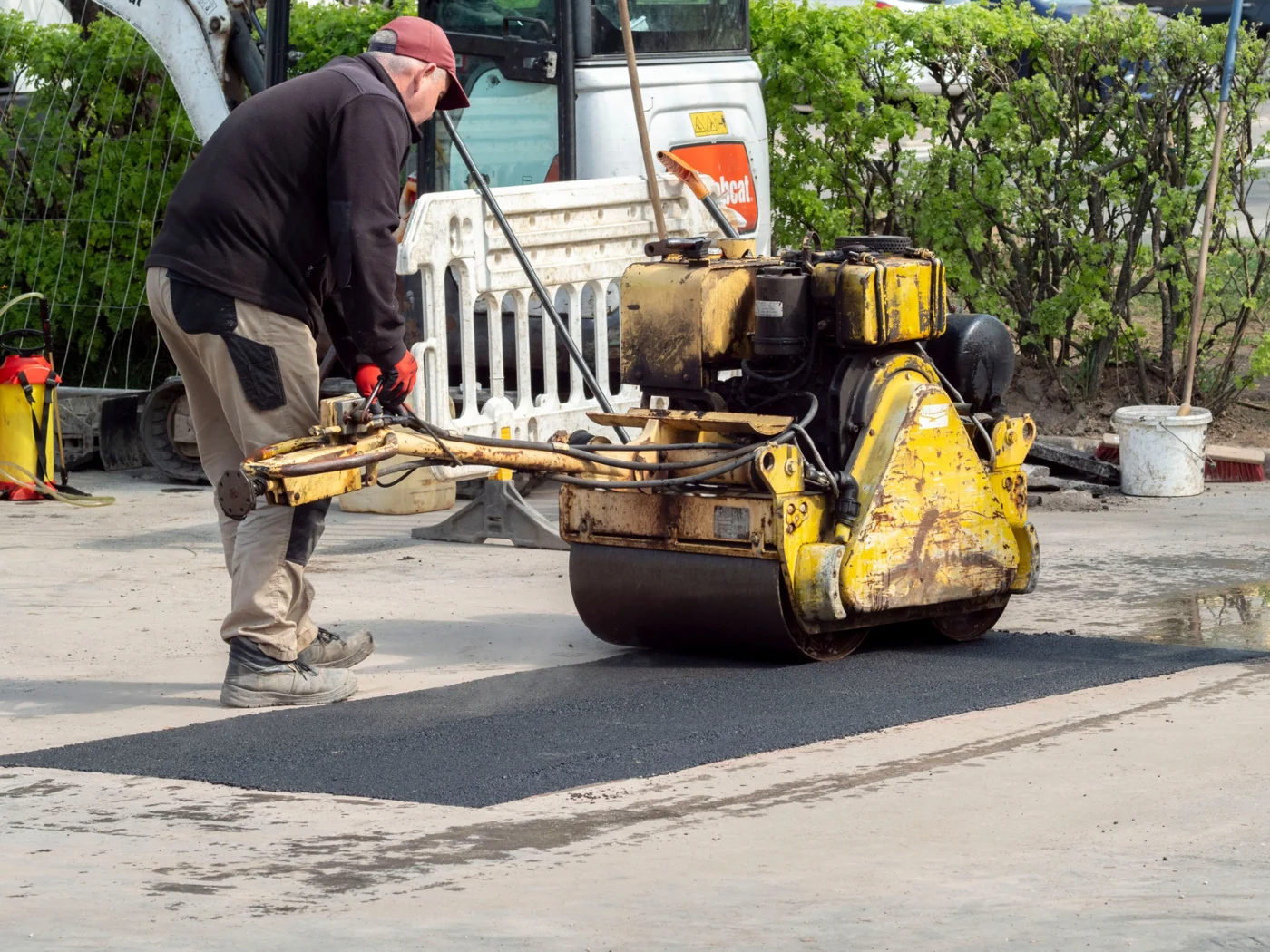
Localized asphalt patching can restore damaged sections without replacing an entire parking lot.
LET’S IMPROVE YOUR PROPERTY
Not Sure Whether Your Parking Lot Needs Repair or Resurfacing?
Cracks, potholes, and drainage problems can become more expensive when left unaddressed. Chris Paving MS helps commercial property owners evaluate pavement conditions and identify practical repair options for their properties in Waveland and surrounding Gulf Coast communities.
Prefer to speak with us?
Call (228) 918-PAVE (7283)
Paving experience since 1997 · Licensed and insured · MS State Lic #27396-SC
How Drainage Affects Parking Lot Crack Repair
Drainage is one of the most important factors to consider when evaluating commercial asphalt damage.
Even a properly repaired crack may deteriorate again if water continues collecting in the same area.
Standing water can enter openings in the pavement, contribute to weakening of the base, and accelerate deterioration under repeated vehicle loads.
Property owners should pay particular attention to:
- Puddles that remain long after rainfall.
- Low areas where water repeatedly collects.
- Cracks developing around drainage structures.
- Pavement settlement near curbs or catch basins.
- Repeated pothole formation in the same locations.
Addressing drainage issues along with pavement repairs can help prevent recurring problems.
For additional technical information about pavement maintenance and preservation, visit the Federal Highway Administration.
How Often Should Commercial Parking Lots Be Inspected?
Routine inspections can help identify pavement problems before they become major repair projects.
Commercial property owners should consider inspecting their parking lots at least twice annually, with additional checks after major storms or unusually heavy rainfall.
During an inspection, look for new cracks, expanding damaged areas, standing water, loose asphalt, and signs of pavement settlement.
Pay special attention to loading zones, entrances, delivery areas, and other locations exposed to frequent heavy vehicle traffic.
Maintaining accurate records of repairs can also help identify areas where problems repeatedly occur.
Preventive maintenance should be based on actual pavement conditions rather than following a fixed schedule without considering wear and drainage.
Choosing the Right Commercial Asphalt Repair Contractor
A reliable paving contractor should evaluate more than the visible cracks.
Understanding the pavement’s condition, drainage, traffic demands, and previous repair history helps determine which treatment is appropriate.
Property owners should look for a contractor who can explain the differences between crack sealing, patching, resurfacing, and pavement replacement.
The objective should be to select a repair method that addresses the actual problem without recommending unnecessary work.
Chris Paving MS provides commercial asphalt paving and repair services throughout the Mississippi Gulf Coast. Learn more about our commercial parking lot paving services.
Frequently Asked Questions About Parking Lot Crack Repair
Can small asphalt cracks be repaired without resurfacing?
Yes. Small, isolated cracks in structurally sound pavement can often be treated with professional crack sealing. The condition of the surrounding asphalt determines whether sealing is appropriate.
Does crack sealing prevent potholes?
Crack sealing helps reduce water infiltration and may slow pavement deterioration. However, it cannot prevent every pothole, particularly when structural damage or drainage problems already exist.
Can alligator cracking be sealed?
Alligator cracking typically indicates pavement fatigue or structural problems. Sealing alone generally does not provide a lasting repair. The affected pavement may need more extensive rehabilitation.
Is resurfacing always better than patching?
No. Patching may be more economical when damage is limited to a few areas. Resurfacing may be appropriate when larger portions of the pavement need renewal and the existing structure remains sound.
How long does parking lot crack repair last?
The lifespan of a repair depends on the type of crack, materials used, pavement condition, drainage, traffic loads, and weather exposure. Proper preparation and selecting the correct treatment are important for lasting results.
AREAS WE SERVE
Commercial Parking Lot Repair Services in Waveland MS
From Waveland and Bay St. Louis to Gulfport, Biloxi, and surrounding communities, Chris Paving MS provides commercial asphalt paving, parking lot repairs, resurfacing, and pavement maintenance services. Explore our service areas to see how we can help protect your property’s pavement.